共4条回复
时间正序
- 时间正序
- 时间倒序
- 评论最多


1条评论
- 1

复交爱浙大(四川妃地在江苏)
7月前
1-26 15:16:55
A Journey of Growth and Self-Discovery
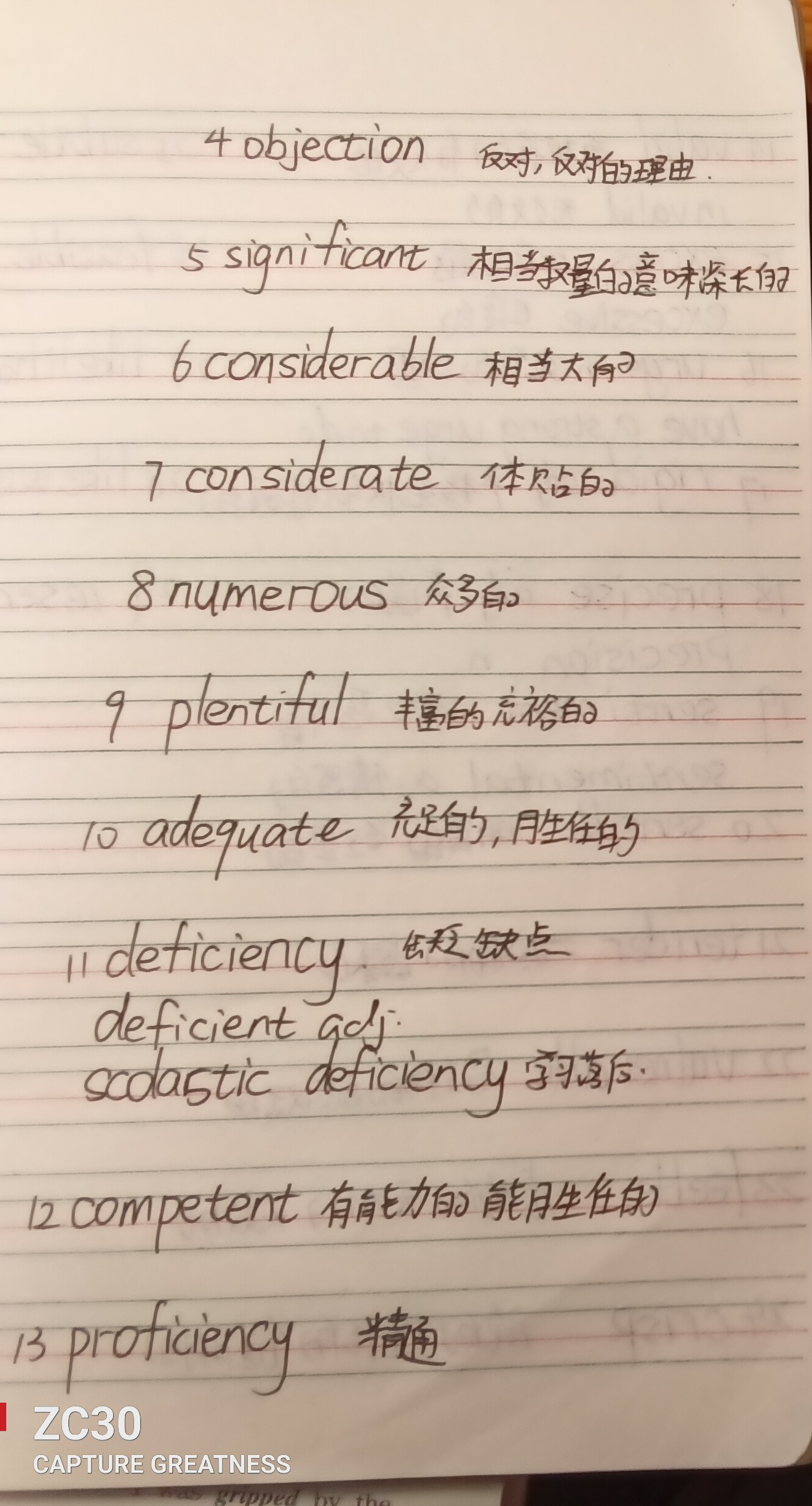
In the journey of life, one often encounters numerous challenges that test their competence and resilience. As I reflect on my own path, I realize how significant these experiences have been in shaping who I am today. At first, I felt a strong urge to prove myself, driven by an intense desire for success. However, this urge sometimes led me to be rigid in my thinking, unwilling to consider alternative perspectives. It was only through time and reflection that I began to understand the importance of being more flexible and open-minded.
During my early years, I faced a deficiency in academic skills—what is commonly referred to as scolastic deficiency. This made me feel vulnerable and even feeble at times, especially when comparing myself to peers who seemed more proficient. But instead of letting this defeat me, I chose to work hard and develop my proficiency gradually. With each small step forward, I gained confidence and became more competent in my studies. The process taught me that adequate preparation and persistent effort are essential for long-term success.
I also learned the value of being considerate and sensitive to others’ feelings. In group projects, I noticed how subtle differences in communication could affect team dynamics. By listening carefully and showing tender empathy, I was able to build stronger relationships with my classmates. This not only improved collaboration but also enhanced the overall sentiment within our group. Being sensible about people's emotions helped me avoid unnecessary conflicts and fostered a more harmonious environment.
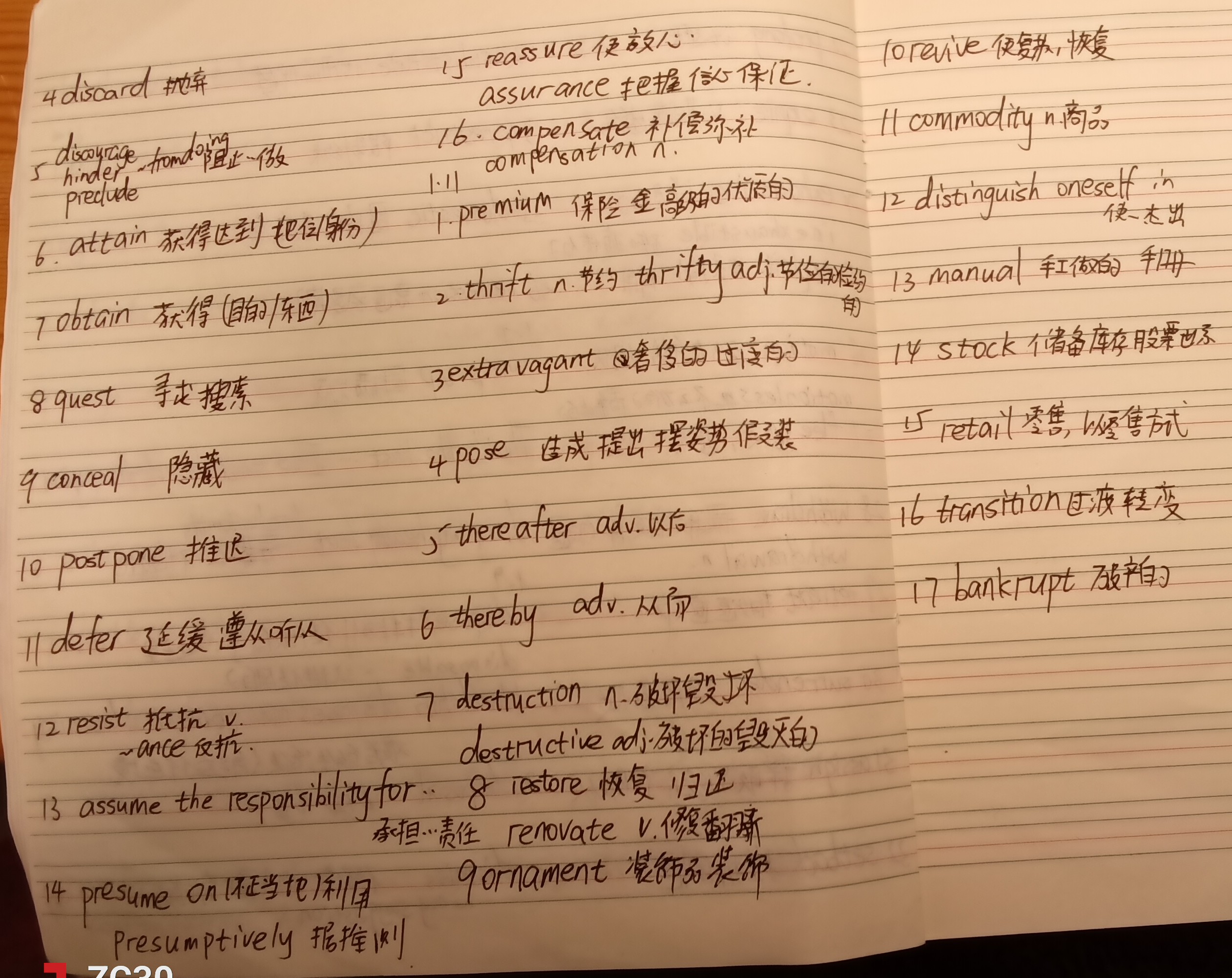
Another important lesson came from understanding the difference between excess and moderation. Initially, I believed that working excessively would guarantee results. But over time, I realized that excessive effort without proper rest often led to burnout. Instead, I found that a balanced approach—being precise in my planning and execution—was far more effective. Precision allowed me to focus on what truly mattered, eliminating distractions and improving efficiency.
Moreover, I discovered that some ideas, though seemingly valid at first glance, might be invalid upon deeper examination. Critical thinking became crucial in evaluating arguments and making sound decisions. For instance, when discussing controversial topics, I learned to weigh evidence objectively rather than relying solely on emotion or sentimentality. This helped me form opinions based on reason and logic, which I believe is vital for personal growth.
Likewise, I began to appreciate the likelihood of change and the need to adapt. Life rarely follows a rigid plan, and being feasible in one’s goals means adjusting strategies when necessary. Resembling someone successful doesn’t mean copying them; it means learning from their experiences and applying those lessons in your own way.
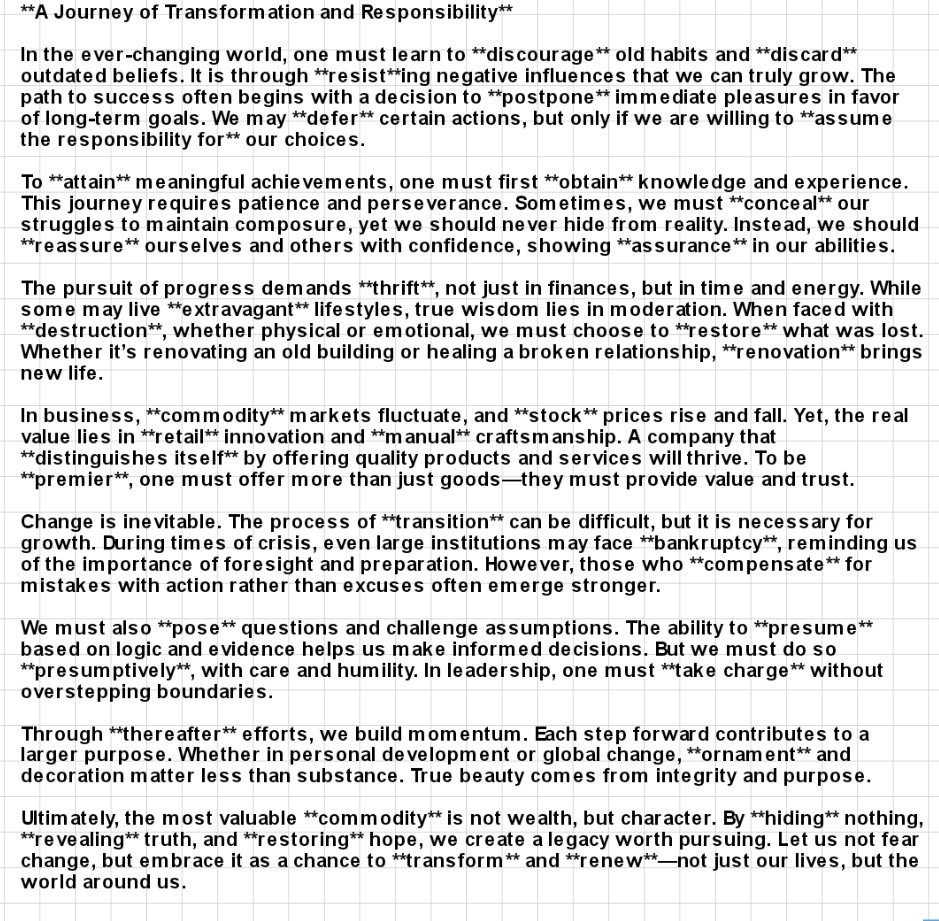
Ultimately, this journey has taught me that true growth comes not from perfection, but from recognizing deficiencies and working to overcome them. It requires patience, resilience, and the willingness to learn. Through all these experiences, I have become more proficient, thoughtful, and capable—not just academically, but as a person. And while there will always be room for improvement, I now face each challenge with confidence, knowing that every obstacle is an opportunity for growth.